

Blog
Birth Control Pill Side Effects

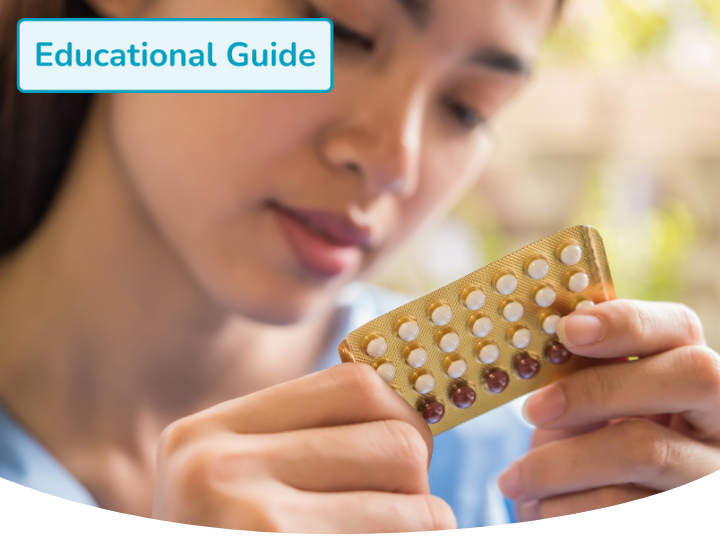
There's a lot of noise surrounding the birth control pill, especially its side effects. But don’t let that put you off.
While side effects can happen, they’re usually mild, temporary, and settle down within a few months. Plus, everyone’s experience is different, too!
Whether you’re considering the combined pill or the mini pill, it’s helpful to know what to expect. In this guide, we’ll walk you through the most common birth control side effects, what’s normal, and when to seek advice.
Three key takeaways
- Irregular bleeding (spotting), headaches, nausea, mood swings, bloating, sore breasts, and acne are some of the most common side effects of the contraceptive pill.
- Most side effects of the pill are mild and temporary and should ease off within three months as your body adjusts to the new hormones.
- Although the pill is well-tolerated by most people, it isn’t right for everyone. If your side effects haven’t subsided after three months, speak to your prescriber or GP. They may be able to recommend an alternative.
7 most common birth control pill side effects
1. Irregular bleeding
Irregular bleeding or spotting between periods is one of the most common side effects when starting the pill or switching to a new one. This happens because your body is getting used to the new hormones.
While it can be inconvenient, spotting is generally nothing to worry about and will settle down in a few months.
But if you're still getting irregular bleeding after three months, or it's heavy and bothering you, speak to your prescriber or GP. They can check if a different pill might suit you better or make sure nothing else is going on.
2. Headaches
While headaches and migraines can sometimes be a side effect of the pill – particularly when starting or switching methods – it can also be used to manage them if they're hormone-related.
The pill can help with headaches by stabilising your hormone levels and reducing fluctuations. However, if you take the combined pill with a pill-free break, the drop in oestrogen during that week can sometimes trigger migraines.
The mini pill is taken continuously without breaks, which prevents these hormone fluctuations and may reduce headaches or migraines.
It's important to note that if you suffer from migraines with aura, the combined pill may not be suitable for you as it can increase the risk of stroke. If this applies to you, speak to your prescriber or GP for advice.
3. Nausea
If you’re feeling queasy after starting the pill, you’re not alone. The upside is that feelings of nausea are usually mild (meaning they don’t result in vomiting) and subside once your hormones settle.
The oestrogen in your pill can irritate your stomach lining, with some studies even suggesting it may slow down how quickly it empties, which can cause side effects like nausea.
4. Mood swings
If you have a history of anxiety, depression, or insomnia, you might find that these symptoms get worse when you’re on the pill.
In fact, research suggests that around half of people using hormonal contraception notice changes in their mood. This is due to the hormones in the pill affecting how your brain works.
Interestingly, for some, this can actually help improve low mood, especially if it’s linked to premenstrual syndrome (PMS). But it’s important to note that everyone reacts differently: one person might notice their mood lifts, while another may notice the opposite.
If you think the pill is affecting your mental health, it’s important to speak to your prescriber or GP for advice.
5. Bloating
Weight gain is one of the most reported side effects of the pill, despite there being no evidence to support it. Any visible changes are likely down to water retention or bloating rather than fat gain, especially in the first few months as you adapt to the pill.
Oestrogen can cause your body to hold onto more fluid, making you feel puffy or swollen. This temporary fluid retention can make the scales go up slightly or your clothes feel tighter, even though you haven’t gained any fat.
Hormones also affect your digestive system, which is why some people experience increased bloating, gas, or changes in bowel movements.
If you already suffer from irritable bowel syndrome (IBS) or other gastrointestinal disorders, these symptoms can be more pronounced, as you’re more sensitive to any fluctuations in your hormones.
6. Sore breasts
Breast tenderness is a fairly common side effect when you first start taking the pill. It’s caused by the hormones (particularly oestrogen) affecting your breast tissue.
They might feel sore, swollen, or more sensitive than usual, similar to how they might feel before your period. Again, this should ease once you get used to the pill.
7. Acne
Just like with headaches and migraines, some contraceptive pills can help with acne, whereas others can cause it.
Combined pills can be effective at clearing up hormonal acne by balancing your hormones and reducing oil production in your skin. They’re even sometimes prescribed specifically for acne.
However, the mini pill can trigger or worsen breakouts, which is why they’re not usually recommended if you have hormonal acne.
Combined pill vs mini pill: which has the fewest side effects?
There’s no straightforward answer to which pill has fewer side effects, as everyone responds differently. The combined pill contains both oestrogen and progestogen, while the mini pill contains just progestogen.
Here’s how they compare when it comes to side effects:
| Combined pill side effects | Mini pill side effects |
| More predictable periods with the seven-day break, so less chance of random spotting. | More chance of irregular bleeding due to the lack of oestrogen keeping your uterine lining stable. |
| Might cause nausea, headaches or migraines, and mood swings because of the oestrogen. | Less likely to cause nausea, headaches, migraines, or mood swings since there's no oestrogen. |
| Unlikely to cause acne and can even help clear it up. | More likely to make acne worse, especially hormonal acne. |
When should you contact a doctor about your side effects?
It's important to know the symptoms of a blood clot so you can get help quickly if needed. Seek urgent medical attention if you experience any of these:
- painful swelling, redness, or warmth in your leg (especially just one leg)
- sudden chest pain or difficulty breathing
- severe headache that comes on suddenly
- problems with your vision, such as blurred or lost vision
- coughing up blood
Long-term side effects of the contraceptive pill
The pill can slightly increase your risk of:
- breast cancer
- cervical cancer
This increased risk is very small. However, any increased risk goes back to normal within 10 years of stopping the pill.
On the other hand, taking the pill actually lowers your risk of developing:
- womb (uterus) cancer
- ovarian cancer
- bowel cancer
What to avoid when on the birth control pill
Some medicines and supplements can affect how the pill works. These include:
- rifamycin antibiotics
- anti-HIV drugs
- anti-seizure medications
- anti-fungal treatments
- St John's wort
- activated charcoal
Alternatives to the birth control pill
If the pill isn’t right for you, there are plenty of other contraceptive options to consider, like:
- Vaginal ring: a small, soft, plastic ring that’s placed inside your vagina that releases oestrogen and progestogen, just like the combined pill.
- Contraceptive patch: this sticks to your skin, and it lasts for one week.
- Contraceptive injection: this releases progestogen, like the mini pill, and lasts 8-13 weeks depending on the type.
- Birth control implant: a small rod is placed under the skin in your upper arm that releases progestogen. It lasts up to three years.
- IUD and IUS: the IUD (coil) releases copper to prevent sperm reaching the egg, while the IUS releases progestogen. Both are fitted through the cervix into the womb, similar to a smear test. The IUD lasts 5-10 years and the IUS lasts 3-5 years.
- Condoms: a barrier method and the only contraception that protects against both pregnancy and STIs.