

Blog
8 Remedies to Stop Your Cough

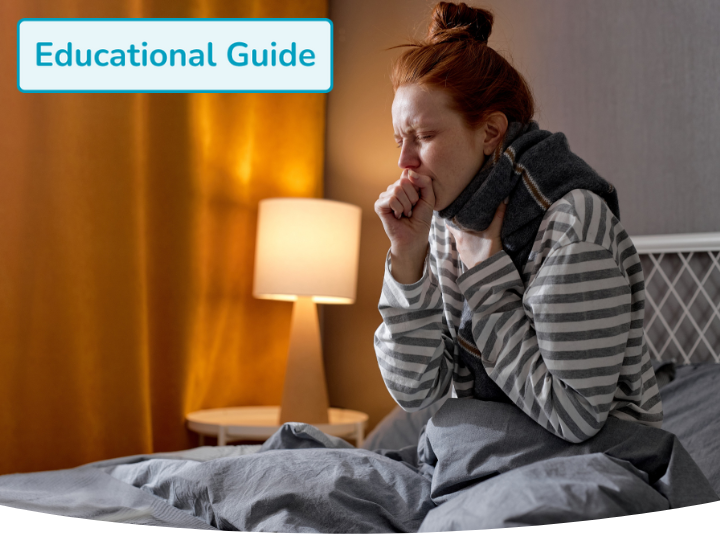
There’s nothing like a cough to interrupt your sleep, your conversations, and your peace and quiet—let alone everyone else’s!
But never fear! Whether it’s dry and tickly or wet and chesty, we’ve got eight remedies to cure your cough and get you back to full health as soon as possible.
Three key takeaways
- Different coughs need different treatments. Cough suppressants work for dry, tickly coughs, while expectorants help clear chesty coughs with mucus (phlegm).
- Simple lifestyle changes like staying hydrated, using a humidifier, and elevating your head at night can ease symptoms.
- See your GP if your cough lasts more than three weeks or you experience concerning symptoms like chest pain, difficulty breathing, or coughing up blood.

What causes a cough?
While illnesses like cold and flu are the most common culprits of a cough, there are other causes, too, like:
- smoking
- heartburn and acid reflux
- allergies, like hay fever
- bronchitis or COVID-19
- mucus dripping down the throat from the back of the nose (post-nasal drip)
8 tips for how to stop coughing
From home remedies to choosing the right medication, here are eight tips for stopping your cough.
1. The stop-cough technique
When you feel a cough coming on, try what’s known as the stop-cough technique (for dry, tickly coughs only).
- Put your hand over your mouth to prevent you from taking a big breath in.
- Swallow once.
- Hold your breath for a count of 10.
- Take a small breath in and out through your nose.
- Breathe slowly and gently for at least 30 seconds, keeping your hand over your mouth.
- Tell yourself you're not going to cough.
- Take a smooth, normal breath through your nose and remove your hand.
If you still feel that tickle, repeat from the start. Remember the four S’s:
- smother
- swallow
- stop breathing
- small breathing
It might feel odd at first, but this technique can genuinely help to suppress the cough reflex and can save you from a coughing fit, especially if your throat is already sore.
2. Choose the right cough medicine
We’ve asked one of our pharmacists, Ian Budd, for the best remedies to cure your cough, including dry and chesty cough remedies.
3. Treat the underlying problem
Not all coughs are caused by an illness. The best way to stop a cough is to tackle what’s triggering it.
If allergies like hay fever or pet dander are the culprits, antihistamines can reduce inflammation and post-nasal drip.
If acid reflux or heartburn is behind your cough, try an antacid like Gaviscon to prevent stomach acid from rising and irritating your throat.
If you smoke, cutting back or stopping smoking will ease a smoker's cough.
4. Stay hydrated
Drinking plenty of fluids keeps your throat moist and helps thin mucus, making chesty coughs easier to clear. Water is best, but warm drinks like herbal tea or hot lemon and honey can be particularly soothing, especially if your throat is sore from coughing.
You should aim for at least eight glasses a day, and steer clear of alcohol and caffeine as they can dehydrate you. If an illness is the reason for your cough—say you’re struggling to get rid of a cold—staying well-hydrated helps your immune system fight it off.
5. Drink pineapple juice
Did you know that pineapple juice could help your cough? It contains an enzyme called bromelain, which has anti-inflammatory properties that may ease congestion, calm a coughing fit, and make breathing easier.
Although studies haven’t determined pineapple juice to be a proven cough remedy just yet, it does pack immune-boosting and anti-bacterial benefits that could help to ease your symptoms, especially if you’re looking for a natural cough remedy.
6. Elevate your head while sleeping
Lying flat can make mucus pool at the back of your throat, triggering your nighttime coughing. Try propping yourself up with an extra pillow or two to help any mucus drain properly. This is especially useful if your coughing is caused by a post-nasal drip or acid reflux.
7. Avoid irritants
Even things you might consider pleasant, like your perfume or a scented candle, could be aggravating your cough. Smoke, dust, and chemical fumes can all irritate your airways, too. The less your throat has to deal with, the quicker you’ll heal.
8. Use a humidifier
Dry air irritates your throat and airways, making a cough worse. By using a humidifier, you’re adding some much-needed moisture back into the air, which soothes a tickly cough and loosens mucus. This can be especially helpful at bedtime.
If you don’t have a humidifier, try inhaling steam from a hot shower, place a bowl of hot water near a radiator, or lean over a bowl of hot water with a towel draped over your head. Just be careful not to burn yourself with water that's too hot.
When to see a doctor about your cough
Most coughs clear up on their own within three weeks. However, you should see your GP if:
- you've had a cough for more than three weeks
- you're losing weight for no reason
- you have a weakened immune system, for example, because of chemotherapy or diabetes
Get urgent help from your GP or call NHS 111 if:
- your cough is very bad or quickly gets worse, such as a hacking cough, or you cannot stop coughing
- you feel very unwell
- you have chest pain
- the side of your neck feels swollen and painful
- you find it hard to breathe
- you're coughing up blood
FAQs
How can you treat a chesty cough when pregnant?
Stick to natural remedies for your cough, like staying hydrated, using a humidifier, and elevating your pillows at nighttime. Avoid any cough medicines unless a healthcare provider has recommended them for use during pregnancy.
Why do coughs get worse at night?
When you lie flat, it’s easy for mucus to pool at the back of your throat, which triggers coughing. Your airways also become more sensitive when you’re horizontal, and the air can often be drier at night, too. Prop yourself up with extra pillows or use a humidifier to add moisture to the air.
Which foods can trigger coughing?
Spicy foods, citrus fruits, chocolate, caffeine, and fatty foods can cause acid reflux and throat irritation. Dairy products might thicken mucus for some people, and very cold foods or drinks can irritate sensitive airways. If certain foods make your cough worse, avoid them until you've recovered.